
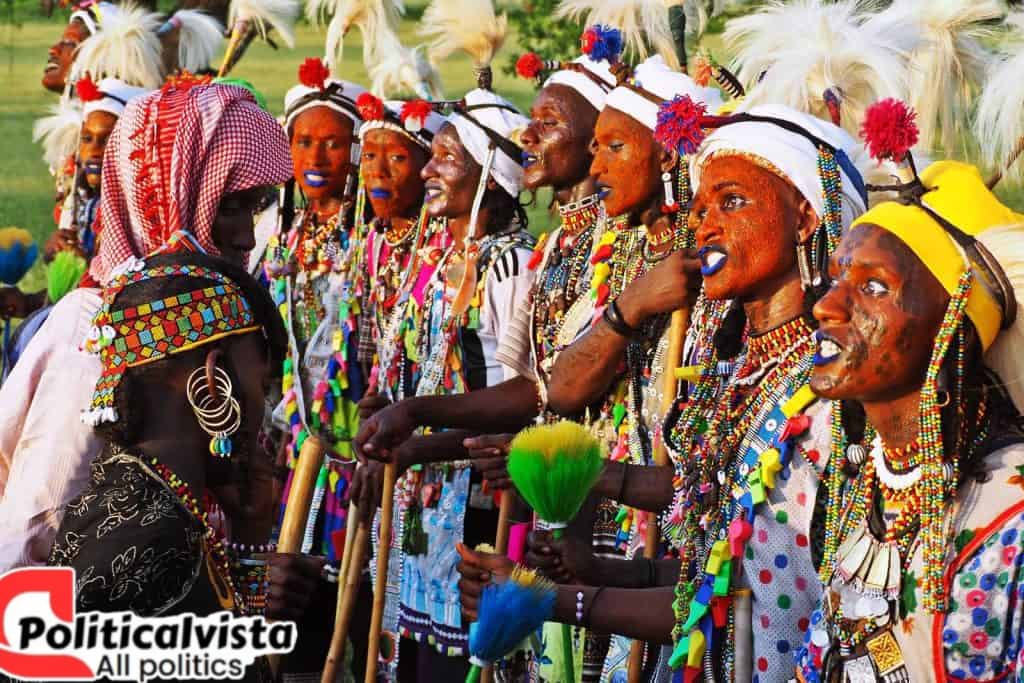
Across Africa, the interplay between tradition and modernity continues to shape governance, culture, technology, and social life. From bustling technology hubs in West Africa to age-old chieftaincy institutions in southern regions, communities are navigating how inherited customs coexist with global influences. Scholars and policymakers note that this blending process is neither linear nor uniform, but reflects diverse historical, social and economic contexts.
In Nigeria, traditional institutions remain embedded within contemporary governance structures. The country operates a federal democratic system, yet monarchs and chiefs retain influence in cultural and advisory roles. The Obi of Onitsha, the Sultan of Sokoto and the Ooni of Ife, among others, preside over centuries-old institutions while engaging with state authorities on matters ranging from conflict resolution to cultural preservation. “Traditional rulers serve as custodians of heritage and moral authority within communities,” said political historian Dr Amina Yusuf. “Their engagement with elected officials illustrates an ongoing negotiation between history and the present.”
Ghana similarly demonstrates this duality. The National House of Chiefs is constitutionally recognised, ensuring customary law remains relevant alongside statutory law. In Accra and Kumasi, urban expansion has not erased festivals such as Homowo and Akwasidae, which attract both local residents and international visitors. Anthropologist Kwame Mensah observed, “Cultural festivals have adapted to modern tourism and media coverage while maintaining their symbolic significance.”
In East Africa, Kenya offers examples of technological advancement intertwined with social norms. The country’s mobile money platform M-Pesa revolutionised financial transactions, particularly in rural communities. Yet communal land ownership and elders’ councils continue to guide local dispute resolution. According to economist Grace Wanjiku, “Digital finance expanded access without dismantling communal structures. Instead, it operates within them.”
Southern Africa presents further illustrations. In South Africa, constitutional democracy coexists with recognised traditional leadership under the Traditional and Khoi-San Leadership Act. The annual Reed Dance ceremony continues to draw thousands, while urban centres such as Johannesburg represent modern economic growth. Cultural scholar Thabo Ndlovu noted, “Public policy acknowledges traditional authority as part of the national heritage, even as cities embody industrial and technological progress.”
North Africa reflects another dimension of blending. In Morocco, architectural conservation efforts preserve medinas alongside contemporary infrastructure projects. Casablanca’s modern skyline stands in proximity to centuries-old markets. Historian Laila Benhaddou explained, “Urban planning in Morocco often integrates preservation frameworks to safeguard historical identity amid economic development.”
Religion remains a significant sphere where tradition and modernity converge. Across the continent, faith communities have incorporated digital communication, broadcasting sermons through social media platforms while maintaining ritual practices. In Ethiopia, the Ethiopian Orthodox Tewahedo Church retains liturgical traditions dating back centuries, yet services are increasingly streamed online. Sociologist Daniel Tesfaye remarked, “Technology amplifies religious outreach without altering doctrinal foundations.”
Fashion and creative industries illustrate generational reinterpretations of heritage. Designers in Lagos, Dakar and Nairobi incorporate indigenous textiles into contemporary clothing lines showcased at international fashion weeks. The global popularity of Ankara and kente fabrics demonstrates how traditional patterns gain renewed relevance. Fashion entrepreneur Adjoa Boateng stated, “Younger designers draw from ancestral aesthetics while responding to global markets.”
Music provides another arena of synthesis. Genres such as Afrobeats blend indigenous rhythms with electronic production techniques. Artists collaborate across continents, yet lyrical themes often reference local languages and folklore. Cultural commentator Femi Adeyemi explained, “Modern studio production has not displaced traditional percussion; instead, it expands its reach.” Streaming platforms have facilitated global audiences while community ceremonies continue to feature live drumming and dance.
Education systems across Africa also reflect the blending of inherited knowledge and modern curricula. Universities increasingly incorporate African history and indigenous knowledge systems into formal academic programmes. In Tanzania, community elders sometimes participate in environmental conservation projects by sharing traditional ecological knowledge. Professor Miriam Lusekelo observed, “There is recognition that sustainable development benefits from combining scientific research with long-standing community practices.”
Urbanisation further underscores this dynamic. Rapid population growth in cities such as Lagos, Nairobi and Addis Ababa has produced high-rise developments and digital start-up ecosystems. Yet migrants frequently maintain ties to rural hometowns, returning for festivals and family ceremonies. Urban planner Samuel Ochieng said, “Migration patterns reveal that cultural continuity persists despite geographic mobility.”
Agriculture offers additional evidence of adaptation. Farmers adopt mechanised tools and climate-resilient seeds while retaining customary land tenure systems. In parts of West Africa, cooperatives blend cooperative savings traditions with formal banking partnerships. Development analyst Fatou Diarra noted, “Modern agricultural policy often incorporates indigenous knowledge of soil management and seasonal cycles.”
The legal sphere also demonstrates interplay between customary and statutory frameworks. Several countries operate parallel systems in which customary courts adjudicate matters of marriage, inheritance and land, provided they align with constitutional provisions. Legal scholar John Moyo explained, “The coexistence of legal traditions requires ongoing interpretation to ensure compatibility with human rights standards.”
Media and communication technologies have reshaped storytelling traditions. Oral narratives once transmitted through village gatherings are now recorded in podcasts and digital archives. Filmmakers draw upon folklore to create contemporary cinema. In Nollywood, historical epics coexist with urban dramas, reflecting layered identities. Media researcher Aisha Bello said, “Digital platforms preserve narratives that might otherwise fade, while enabling new forms of creative expression.”
Economic integration within continental frameworks has introduced additional dimensions. The African Continental Free Trade Area seeks to harmonise trade policies across diverse economies. Policymakers emphasise that integration efforts must respect cultural particularities. Trade official Emmanuel Ncube remarked, “Regional cooperation does not eliminate national traditions; it operates alongside them.”
Youth demographics influence the blending process significantly. Africa’s median age remains among the youngest globally, shaping attitudes toward technology and heritage. Social media activism often references historical symbols while advocating contemporary reforms. Youth leader Nandi Maseko stated, “Many young Africans see heritage as a foundation rather than an obstacle.”
Diaspora connections further contribute to this interaction. Remittances and transnational networks introduce global perspectives while sustaining familial obligations rooted in tradition. Cultural festivals abroad showcase music, dance and cuisine, reinforcing links between generations. Researcher Ibrahim Conteh explained, “Diaspora communities serve as bridges, transmitting both innovation and inherited customs.”
Environmental stewardship has also prompted renewed interest in indigenous practices. Community-based conservation initiatives draw upon ancestral land management systems. In Botswana, traditional pastoral practices are incorporated into wildlife preservation strategies. Environmentalist Kabelo Phiri said, “Local knowledge complements scientific conservation methods.”
Health systems illustrate a similar convergence. Governments regulate traditional medicine practitioners while expanding biomedical facilities. Herbal remedies remain widely used, often alongside hospital treatment. Public health expert Dr Ruth Okafor noted, “Integration efforts aim to ensure safety and efficacy while recognising cultural acceptance.”
Infrastructure development projects frequently engage traditional authorities during consultation phases. Road construction, energy installations and housing schemes require negotiations with community leaders. Civil engineer Patrick Mwangi observed, “Community endorsement often determines the success of modern infrastructure initiatives.”
Literature and academic discourse increasingly examine these intersections. Writers and scholars document how pre-colonial histories inform contemporary governance debates. University conferences address the reinterpretation of customary law in modern constitutional frameworks. Historian Sarah Mbeki stated, “Understanding Africa’s future requires examining how the past informs present institutions.”
Across the continent, the blending of tradition and modernity manifests in varied forms, from ceremonial practices in urban spaces to digital entrepreneurship rooted in communal networks. The coexistence of ancestral customs and contemporary systems continues to shape public life, reflecting a multifaceted and evolving landscape.
Be the first to comment